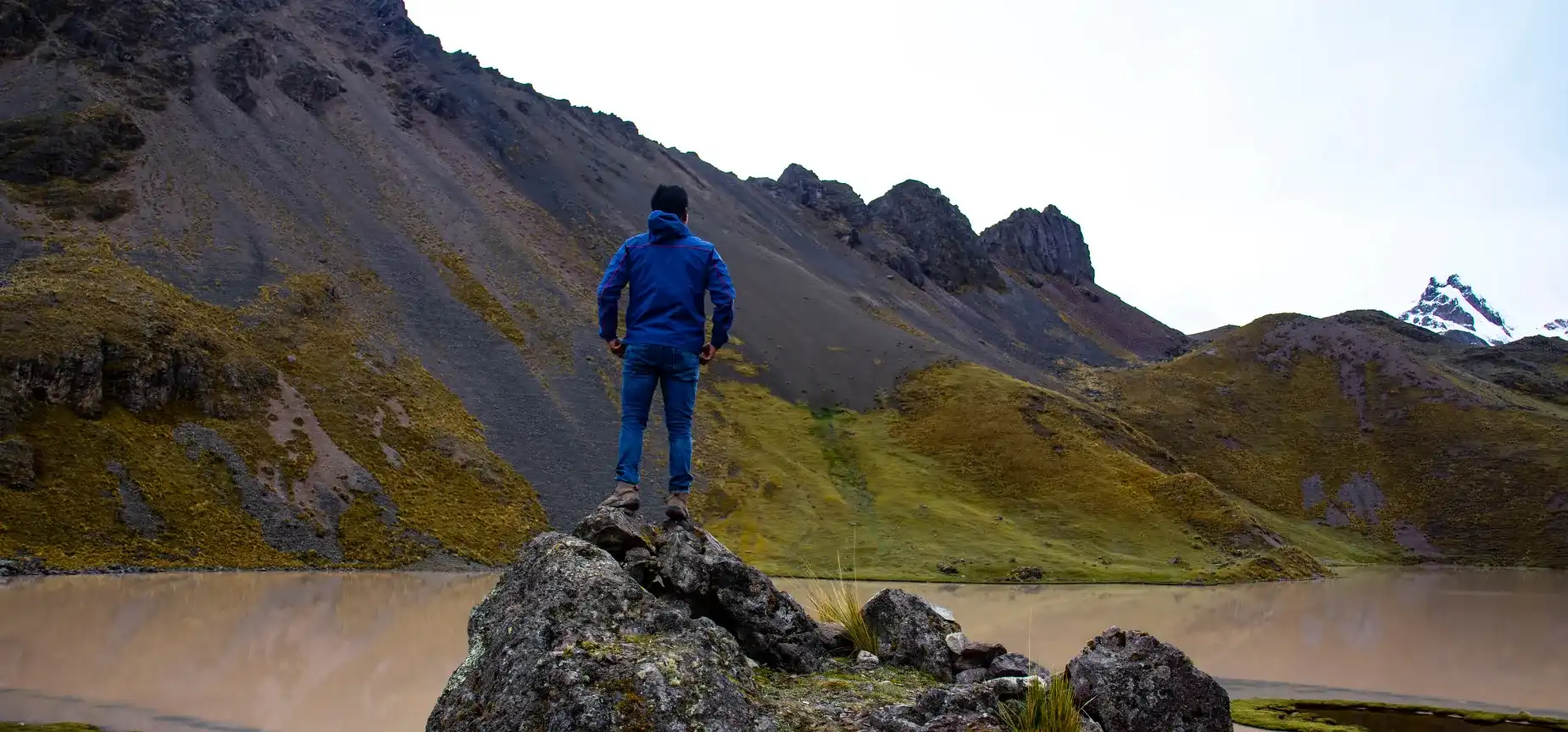
For many travelers visiting Peru, reaching the legendary citadel of Machu Picchu is the highlight of their journey. While many visitors arrive by train, trekking through the Andes to reach the ancient Inca city is considered one of the most rewarding travel experiences in South America. A Machu Picchu trekking guide helps travelers understand the different routes, levels of difficulty, and overall costs involved in hiking to this iconic destination.
There are several incredible Machu Picchu trekking routes, each offering unique landscapes, cultural encounters, and historical discoveries along the way. From the famous Inca Trail to remote alternative routes like the Salkantay Trek or the Lares Trek, choosing the best trek to Machu Picchu depends on your fitness level, travel style, and available time.
This guide explains the most popular trekking options, the difficulty levels of each route, and what travelers should expect when planning a trek to Machu Picchu.
Trekking to Machu Picchu offers a completely different experience compared to visiting by train. Hiking through the Andes allows travelers to witness breathtaking landscapes, explore hidden archaeological sites, and immerse themselves in the natural beauty of Peru.
Many trekking routes follow ancient Inca pathways that were part of an extensive road network connecting the entire empire. Walking these historic trails provides a deeper understanding of Inca culture, engineering, and history.
For adventure travelers, reaching Machu Picchu after several days of hiking through mountains, cloud forests, and remote valleys makes the final arrival at the ancient citadel even more memorable.
The Inca Trail is the most famous trek to Machu Picchu and one of the most iconic hikes in the world. This route follows original stone paths built by the Incas more than 500 years ago.
The classic trek typically lasts four days and includes visits to several impressive archaeological sites such as Wiñay Wayna and Phuyupatamarca. The journey ends with a spectacular sunrise arrival at Machu Picchu through the Sun Gate, known as Inti Punku.
Due to its popularity and protected status, permits for the Inca Trail are limited and must be reserved months in advance.
The Salkantay Trek is widely considered the most scenic alternative to the Inca Trail. This trek passes beneath the massive Salkantay Mountain, one of the highest peaks in the Cusco region.
The route offers an incredible diversity of landscapes, including snow-covered mountains, alpine valleys, and lush cloud forests. Unlike the Inca Trail, permits are not limited, making it a flexible option for travelers planning their trek at the last minute.
The Lares Trek focuses more on cultural experiences than archaeological sites. The trail passes through remote Andean villages where travelers can observe traditional lifestyles, farming practices, and textile weaving techniques.
The trek also features beautiful high-altitude lakes, dramatic mountain views, and encounters with llamas and alpacas along the route.
The Inca Jungle Trek combines trekking with adventure activities such as mountain biking, ziplining, and river rafting. This route is popular among travelers looking for a more dynamic and adrenaline-filled journey to Machu Picchu.
The trek passes through tropical valleys, coffee plantations, and small rural communities before reaching the town of Aguas Calientes.
The Choquequirao Trek is one of the most challenging trekking adventures in Peru. Choquequirao is a massive Inca archaeological complex often referred to as the “sister city of Machu Picchu.”
Some extended expeditions combine the Choquequirao Trek with Machu Picchu, creating an epic multi-day journey through remote and rugged landscapes.
The Machu Picchu trek difficulty varies depending on the route chosen. Most treks involve hiking at high altitudes, which can make the journey physically demanding even for experienced hikers.
Altitude is one of the main challenges when trekking in the Andes. It is recommended to spend at least two days in Cusco before starting any trek to allow the body to acclimatize properly.
The Machu Picchu trek cost depends on the route, tour operator, level of service, and number of days involved in the trek.
These prices usually include transportation, guides, meals, camping equipment, and Machu Picchu entrance tickets. However, prices can vary depending on the quality of the service and additional amenities such as porter support or luxury camps.
The best time for trekking to Machu Picchu is during the dry season from May to September. During these months, hikers can expect clearer skies and better trail conditions.
The rainy season from November to March brings lush green landscapes but also muddy trails and occasional heavy rainfall. February is the wettest month, and the Inca Trail is closed for maintenance during this time.
Choosing the right trek to Machu Picchu can transform your trip into an unforgettable adventure through the Andes Mountains. Whether you follow the historic Inca Trail, explore remote landscapes along the Salkantay Trek, or experience local culture on the Lares Trek, each route offers a unique perspective on Peru’s natural beauty and ancient history.
With proper planning, preparation, and the right itinerary, trekking to Machu Picchu becomes much more than a hike — it becomes a once-in-a-lifetime journey to one of the most extraordinary destinations on Earth.


Save up to 20% on tours! Get exclusive access to member-only offers by email.



 Verificada Verificada
  Verificada
  Verificada
  Verificada
  Verificada Verificada
  Verificada
  Verificada
 Verificada
